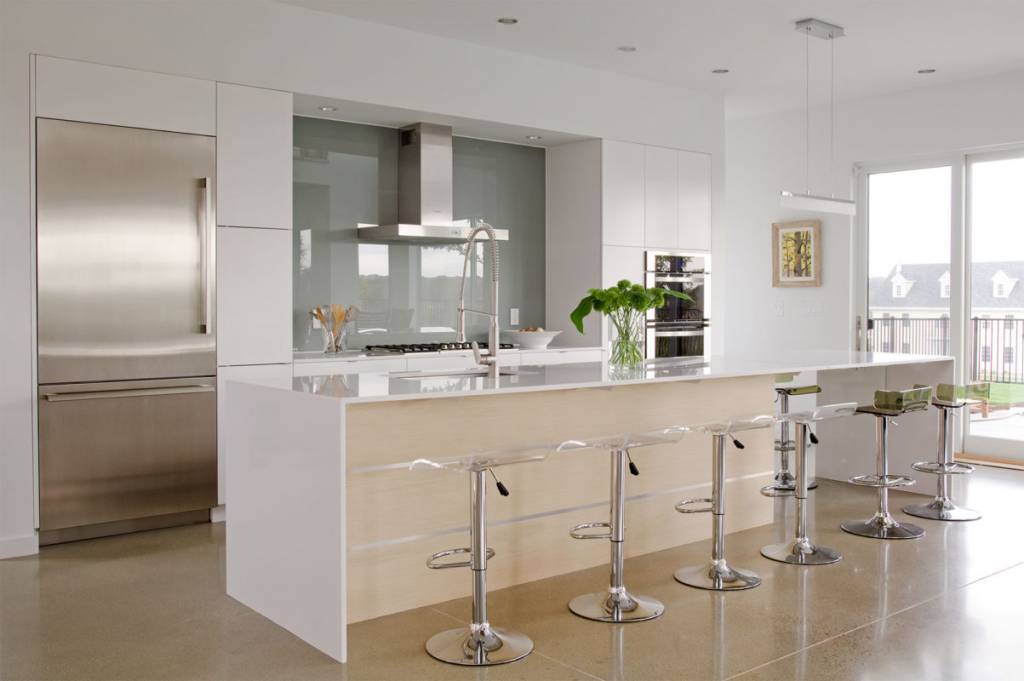
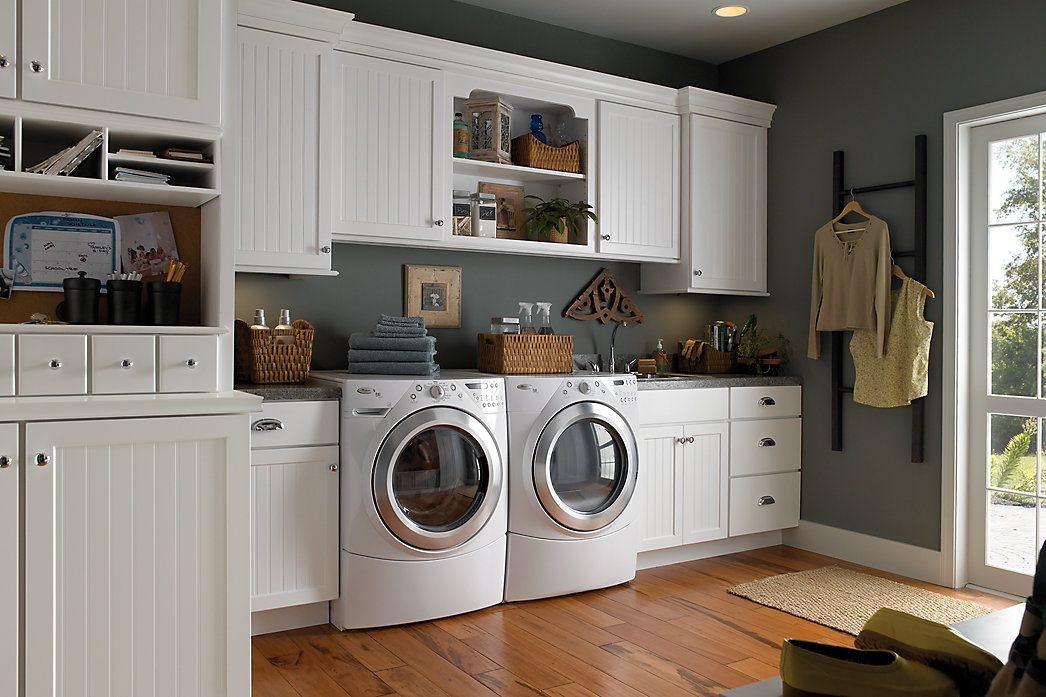
BKC supports eco-friendly cabinets and sustainable initiatives. Our brands include top cabinet manufacturers certified by the Kitchen Cabinet Manufacturers Association’s (KCMA) Environmental Stewardship Program.
This program recognizes manufacturers that use environmentally-responsible materials in the production of their products. Additionally, these companies minimize community impacts by recycling wastes and using low-emissions finish coatings.
Crystal Cabinet Works has been directly involved in the development of the ESP program. They are considered an industry leader in the manufacturing of eco-friendly cabinets. Crystal offers more eco-friendly products than any other nationally-distributed cabinet manufacturer.
Their comprehensive green products include:
FSC (Forest Stewardship Council) certified woods
No added urea formaldehyde (NAUF) plywood in standard cabinet box construction
GreenGuard Laminates
Low VOC finishes
Recycled materials
Rapidly-renewable materials (bamboo available in veneer, solid or 3-ply)
BKC is proud to offer products by cabinet manufacturers who strive to reduce effects on human health and the environment. Eco-friendly products are a perfect option for you and your family.
At BKC, we’re committed to doing our part to minimize the impact of our business operations on the environment:
100% of our surplus materials are donated to a local not-for-profit organization for re-sale and re-use. Showroom displays are recycled in this manner if they are not sold to customers.
All of our office and warehouse space is illuminated with low-energy consumption fluorescent bulbs. The primary lighting in our showroom consists of compact fluorescent bulbs.
The heating and cooling of BKC’s facility is controlled by energy-efficient programmable thermostats.
All paper, plastic, aluminum cans and other waste metals are collected for recycling.
Outdated storage files and manufacturer catalogs are accumulated for annual shredding and recycling.
Save
Save
Save
roman empire, bath and north east somerset, university of bath, hot spring, royal crescent, pulteney bridge, jane austen, thermae, aquae sulis, georgian architecture, combe down, noun, bath, mendip hills, bristol, cotswolds, swimming pool, bus, tourism, verb, campus, southgate, stroud, twerton, theatre, old high german, sydney gardens, bathampton, architecture, canal, sulis, middle english, bathroom, bathing, community, bath bath, baths, bath city, thermae bath spa, engineering, gloucestershire, northanger abbey, latin, wiltshire, encyclopedia, sustainability, milsom street, minerva, old english, environmentally friendly, renovation, environmental issues, eco friendly cabinets, kitchen cabinet, recycling, kitchen, wood, bamboo, forest stewardship council, toxicity, manufacturing, health, waste, reclaimed lumber, cabinetry, design, green building, water, paint, renewable resource, pollution, countertop, leed, indoor air quality, composite material, formaldehyde, furniture, moisture, construction, greenhouse gas emissions, durability, home improvement, resource, forest, environmental protection, energy, paper, carbon footprint, sustainable design, hardwood, coating, environmentally friendly cabinets, kitchen and bath, showroom, bkc kitchen, cabinet, management
Frequently Asked Questions
What are the eco friendly advantages of stainless steel cabinets?
The eco-friendly advantages of stainless steel cabinets include their durability, recyclability, and low maintenance requirements, making them a sustainable choice for kitchen renovations.
What are eco friendly cabinets?
Eco-friendly cabinets are made from sustainable materials like FSC-certified wood, use low-VOC finishes, and employ manufacturing processes that minimize environmental impact, providing a responsible choice for kitchen renovations.
What are the most eco friendly kitchen cabinets?
The most eco-friendly kitchen cabinets are those made from sustainably sourced wood, such as FSC-certified wood, and finished with low-VOC paints or stains to minimize environmental impact.
What materials make cabinets eco-friendly?
Eco-friendly cabinets are typically made with FSC certified wood, low-VOC finishes, and other sustainable materials that minimize environmental impact.
How do stainless steel cabinets reduce waste?
Stainless steel cabinets reduce waste by being highly durable and long-lasting, minimizing the need for frequent replacements. Their corrosion-resistant nature also makes them a sustainable choice for kitchens.
Are there certifications for eco-friendly cabinets?
Yes, there are certifications for eco-friendly cabinets. The Kitchen Cabinet Manufacturers Association (KCMA) offers the Environmental Stewardship Program (ESP) certification, which verifies the use of sustainable materials and eco-friendly manufacturing processes.
What finishes are safe for the environment?
Eco-friendly finishes for the environment include low-VOC paints, stains, and sealants that emit fewer harmful chemicals. These finishes use natural, non-toxic materials and are designed to minimize environmental impact during and after application.
How do eco-friendly cabinets impact indoor air quality?
Eco-friendly cabinets are designed to minimize the release of harmful volatile organic compounds (VOCs), which can improve indoor air quality and create a healthier living environment.
What is the lifespan of eco-friendly cabinets?
The lifespan of eco-friendly cabinets can range from 20 to 50 years, depending on the materials used and proper maintenance. Cabinets made with FSC-certified wood and low-VOC finishes tend to have a longer lifespan compared to traditional options.
How to maintain stainless steel cabinets sustainably?
Maintaining stainless steel cabinets sustainably involves regular cleaning with eco-friendly products, avoiding harsh chemicals, and ensuring proper ventilation to prevent moisture buildup and corrosion.
What are the cost benefits of eco-friendly cabinets?
The cost benefits of eco-friendly cabinets include lower maintenance requirements, increased energy efficiency, and reduced waste disposal costs, leading to long-term savings for homeowners.
How do eco-friendly cabinets compare in durability?
Eco-friendly cabinets are often as durable, if not more so, than traditional cabinets due to the use of high-quality, sustainable materials that can withstand regular use and wear over time.
What styles are available for eco-friendly cabinets?
The styles available for eco-friendly cabinets include shaker, raised panel, slab, and open-concept designs, all made with sustainable materials like FSC-certified wood and low-VOC finishes.
How to choose eco-friendly kitchen materials?
Choosing eco-friendly kitchen materials involves selecting options certified as sustainable, such as FSC-certified wood and low-VOC finishes, to minimize environmental impact during kitchen renovations.
What are the benefits of recycled materials in cabinets?
The use of recycled materials in cabinets reduces environmental impact, conserves natural resources, and often results in more cost-effective solutions for eco-conscious homeowners.
How do eco-friendly cabinets affect home value?
Eco-friendly cabinets can increase home value by appealing to environmentally conscious buyers and demonstrating the home's sustainability.
What is the process for sourcing sustainable cabinets?
The process for sourcing sustainable cabinets involves selecting cabinetry made with eco-friendly materials like FSC certified woods and low VOC finishes, and ensuring they are certified by the Kitchen Cabinet Manufacturers Association for environmental sustainability.
How to identify low VOC cabinet options?
To identify low VOC cabinet options, look for cabinets certified by organizations like the Kitchen Cabinet Manufacturers Association (KCMA) that use environmentally friendly materials such as FSC-certified wood and low-emitting finishes.
What are the best practices for eco-friendly renovations?
The best practices for eco-friendly renovations include using sustainable materials such as FSC-certified woods, low-VOC finishes, and energy-efficient appliances, while also prioritizing recycling, minimizing waste, and incorporating renewable energy sources where possible.
How do eco-friendly cabinets contribute to sustainability?
Eco-friendly cabinets contribute to sustainability by using renewable, recyclable, and biodegradable materials, reducing environmental impact during production, transportation, and disposal, and promoting responsible resource management.
What are the design options for stainless steel cabinets?
Stainless steel cabinets are available in various styles, including sleek and modern, industrial-chic, and minimalist designs. They can be customized with different finishes, hardware, and door styles to suit any kitchen aesthetic.
How to install eco-friendly cabinets properly?
Properly installing eco-friendly cabinets involves careful measurement, following manufacturer instructions, and ensuring proper ventilation for low-VOC finishes to minimize environmental impact during the installation process.
What trends are emerging in eco-friendly cabinetry?
Emerging trends in eco-friendly cabinetry include the use of FSC-certified wood, low-VOC finishes, and recycled materials such as bamboo and recycled plastic. Manufacturers are also focusing on energy-efficient manufacturing processes and offering take-back programs for used cabinets.
How do eco-friendly cabinets support local economies?
Eco-friendly cabinets support local economies by sourcing materials and labor from nearby regions, reducing transportation costs and emissions while investing in the local community.
What are the environmental impacts of traditional cabinets?
Traditional cabinets often have negative environmental impacts, such as using unsustainable wood sources and high-VOC finishes, contributing to deforestation and indoor air pollution.
How to dispose of old cabinets responsibly?
Responsibly disposing of old cabinets involves donating or recycling them instead of sending them to landfill. Seek local organizations that accept cabinet donations or locate recycling facilities that can process the materials.
What innovations exist in eco-friendly cabinet design?
Eco-friendly cabinet designs feature innovative use of sustainable materials such as FSC-certified wood, low-VOC finishes, and recycled or reclaimed components, providing environmentally conscious home improvement solutions.
How to find suppliers of eco-friendly cabinets?
Finding suppliers of eco-friendly cabinets involves researching companies that offer cabinetry made from sustainable materials like FSC-certified wood and use low-VOC finishes. Look for certifications like KCMA Environmental Stewardship Program to identify eco-conscious cabinet manufacturers.
What are the advantages of modular eco-friendly cabinets?
Modular eco-friendly cabinets offer several advantages, including easy installation, reduced waste, and the use of sustainable materials like FSC-certified wood and low-VOC finishes, making them an environmentally responsible choice for kitchen and bath renovations.
How do eco-friendly cabinets enhance kitchen aesthetics?
Eco-friendly cabinets enhance kitchen aesthetics by using natural, sustainable materials that create a warm, inviting atmosphere, while also being environmentally responsible choices for home renovations.
roman empire, bath and north east somerset, university of bath, hot spring, royal crescent, pulteney bridge, jane austen, thermae, aquae sulis, georgian architecture, combe down, noun, bath, mendip hills, bristol, cotswolds, swimming pool, bus, tourism, verb, campus, southgate, stroud, twerton, theatre, old high german, sydney gardens, bathampton, architecture, canal, sulis, middle english, bathroom, bathing, community, bath bath, baths, bath city, thermae bath spa, engineering, gloucestershire, northanger abbey, latin, wiltshire, encyclopedia, sustainability, milsom street, minerva, old english, environmentally friendly, renovation, environmental issues, eco friendly cabinets, kitchen cabinet, recycling, kitchen, wood, bamboo, forest stewardship council, toxicity, manufacturing, health, waste, reclaimed lumber, cabinetry, design, green building, water, paint, renewable resource, pollution, countertop, leed, indoor air quality, composite material, formaldehyde, furniture, moisture, construction, greenhouse gas emissions, durability, home improvement, resource, forest, environmental protection, energy, paper, carbon footprint, sustainable design, hardwood, coating, environmentally friendly cabinets, kitchen and bath, showroom, bkc kitchen, cabinet, management
Frequently Asked Questions
What are the eco friendly advantages of stainless steel cabinets?
The eco-friendly advantages of stainless steel cabinets include their durability, recyclability, and low maintenance requirements, making them a sustainable choice for kitchen renovations.
What are eco friendly cabinets?
Eco-friendly cabinets are made from sustainable materials like FSC-certified wood, use low-VOC finishes, and employ manufacturing processes that minimize environmental impact, providing a responsible choice for kitchen renovations.
What are the most eco friendly kitchen cabinets?
The most eco-friendly kitchen cabinets are those made from sustainably sourced wood, such as FSC-certified wood, and finished with low-VOC paints or stains to minimize environmental impact.
What materials make cabinets eco-friendly?
Eco-friendly cabinets are typically made with FSC certified wood, low-VOC finishes, and other sustainable materials that minimize environmental impact.
How do stainless steel cabinets reduce waste?
Stainless steel cabinets reduce waste by being highly durable and long-lasting, minimizing the need for frequent replacements. Their corrosion-resistant nature also makes them a sustainable choice for kitchens.
Are there certifications for eco-friendly cabinets?
Yes, there are certifications for eco-friendly cabinets. The Kitchen Cabinet Manufacturers Association (KCMA) offers the Environmental Stewardship Program (ESP) certification, which verifies the use of sustainable materials and eco-friendly manufacturing processes.
What finishes are safe for the environment?
Eco-friendly finishes for the environment include low-VOC paints, stains, and sealants that emit fewer harmful chemicals. These finishes use natural, non-toxic materials and are designed to minimize environmental impact during and after application.
How do eco-friendly cabinets impact indoor air quality?
Eco-friendly cabinets are designed to minimize the release of harmful volatile organic compounds (VOCs), which can improve indoor air quality and create a healthier living environment.
What is the lifespan of eco-friendly cabinets?
The lifespan of eco-friendly cabinets can range from 20 to 50 years, depending on the materials used and proper maintenance. Cabinets made with FSC-certified wood and low-VOC finishes tend to have a longer lifespan compared to traditional options.
How to maintain stainless steel cabinets sustainably?
Maintaining stainless steel cabinets sustainably involves regular cleaning with eco-friendly products, avoiding harsh chemicals, and ensuring proper ventilation to prevent moisture buildup and corrosion.
What are the cost benefits of eco-friendly cabinets?
The cost benefits of eco-friendly cabinets include lower maintenance requirements, increased energy efficiency, and reduced waste disposal costs, leading to long-term savings for homeowners.
How do eco-friendly cabinets compare in durability?
Eco-friendly cabinets are often as durable, if not more so, than traditional cabinets due to the use of high-quality, sustainable materials that can withstand regular use and wear over time.
What styles are available for eco-friendly cabinets?
The styles available for eco-friendly cabinets include shaker, raised panel, slab, and open-concept designs, all made with sustainable materials like FSC-certified wood and low-VOC finishes.
How to choose eco-friendly kitchen materials?
Choosing eco-friendly kitchen materials involves selecting options certified as sustainable, such as FSC-certified wood and low-VOC finishes, to minimize environmental impact during kitchen renovations.
What are the benefits of recycled materials in cabinets?
The use of recycled materials in cabinets reduces environmental impact, conserves natural resources, and often results in more cost-effective solutions for eco-conscious homeowners.
How do eco-friendly cabinets affect home value?
Eco-friendly cabinets can increase home value by appealing to environmentally conscious buyers and demonstrating the home's sustainability.
What is the process for sourcing sustainable cabinets?
The process for sourcing sustainable cabinets involves selecting cabinetry made with eco-friendly materials like FSC certified woods and low VOC finishes, and ensuring they are certified by the Kitchen Cabinet Manufacturers Association for environmental sustainability.
How to identify low VOC cabinet options?
To identify low VOC cabinet options, look for cabinets certified by organizations like the Kitchen Cabinet Manufacturers Association (KCMA) that use environmentally friendly materials such as FSC-certified wood and low-emitting finishes.
What are the best practices for eco-friendly renovations?
The best practices for eco-friendly renovations include using sustainable materials such as FSC-certified woods, low-VOC finishes, and energy-efficient appliances, while also prioritizing recycling, minimizing waste, and incorporating renewable energy sources where possible.
How do eco-friendly cabinets contribute to sustainability?
Eco-friendly cabinets contribute to sustainability by using renewable, recyclable, and biodegradable materials, reducing environmental impact during production, transportation, and disposal, and promoting responsible resource management.
What are the design options for stainless steel cabinets?
Stainless steel cabinets are available in various styles, including sleek and modern, industrial-chic, and minimalist designs. They can be customized with different finishes, hardware, and door styles to suit any kitchen aesthetic.
How to install eco-friendly cabinets properly?
Properly installing eco-friendly cabinets involves careful measurement, following manufacturer instructions, and ensuring proper ventilation for low-VOC finishes to minimize environmental impact during the installation process.
What trends are emerging in eco-friendly cabinetry?
Emerging trends in eco-friendly cabinetry include the use of FSC-certified wood, low-VOC finishes, and recycled materials such as bamboo and recycled plastic. Manufacturers are also focusing on energy-efficient manufacturing processes and offering take-back programs for used cabinets.
How do eco-friendly cabinets support local economies?
Eco-friendly cabinets support local economies by sourcing materials and labor from nearby regions, reducing transportation costs and emissions while investing in the local community.
What are the environmental impacts of traditional cabinets?
Traditional cabinets often have negative environmental impacts, such as using unsustainable wood sources and high-VOC finishes, contributing to deforestation and indoor air pollution.
How to dispose of old cabinets responsibly?
Responsibly disposing of old cabinets involves donating or recycling them instead of sending them to landfill. Seek local organizations that accept cabinet donations or locate recycling facilities that can process the materials.
What innovations exist in eco-friendly cabinet design?
Eco-friendly cabinet designs feature innovative use of sustainable materials such as FSC-certified wood, low-VOC finishes, and recycled or reclaimed components, providing environmentally conscious home improvement solutions.
How to find suppliers of eco-friendly cabinets?
Finding suppliers of eco-friendly cabinets involves researching companies that offer cabinetry made from sustainable materials like FSC-certified wood and use low-VOC finishes. Look for certifications like KCMA Environmental Stewardship Program to identify eco-conscious cabinet manufacturers.
What are the advantages of modular eco-friendly cabinets?
Modular eco-friendly cabinets offer several advantages, including easy installation, reduced waste, and the use of sustainable materials like FSC-certified wood and low-VOC finishes, making them an environmentally responsible choice for kitchen and bath renovations.
How do eco-friendly cabinets enhance kitchen aesthetics?
Eco-friendly cabinets enhance kitchen aesthetics by using natural, sustainable materials that create a warm, inviting atmosphere, while also being environmentally responsible choices for home renovations.